
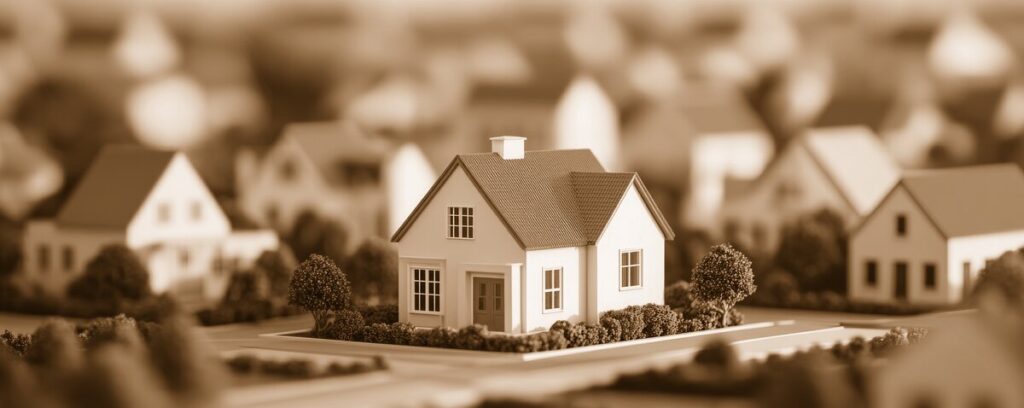
Nestled in the heart of Decatur, Illinois, the French Quarters neighborhood stands as a charming testament to the city’s rich past and its enduring spirit of community. With its tree-lined avenues, distinct architectural personality, and welcoming feel, French Quarters is more than just a residential area — it’s a living chapter of Decatur’s unfolding story.
Origins: A Nod to European Charm
The French Quarters neighborhood traces its roots back to the mid-20th century, when Decatur was experiencing a boom in both industry and population. Looking to distinguish this corner of the city with a unique identity, developers in the late 1950s sought inspiration from the elegant neighborhoods of New Orleans, naming the community “French Quarters” to conjure that same sense of old-world flair and conviviality.
Located just off the intersection of South 22nd Street and Cantrell Street — and extending east toward Taylorville Road — the neighborhood’s original builders laid out a grid of cozy lanes with names like Fort Daniel Avenue and Fontainebleau Drive. These streets evoke the French influence that the area wears with pride, while also appealing to families who craved comfort, stability, and a touch of style.
How the Neighborhood Got Its Name
Unlike much of Decatur, which grew up around industrial railways and factories, French Quarters was created as a planned community. The developers wanted an area that stood apart visually and thematically. They borrowed freely from the French language, both in the neighborhood’s official name and in the styling of its street signs, which even today boast subtle fleur-de-lis embellishments.
The name “French Quarters” alludes to the famous French Quarter in New Orleans. The developers admired the romance and character of those storied streets, and though Decatur’s version is quieter, the intention was clear: to plant a seed of charm right in the Illinois prairie.
Key Historical Milestones
- 1958–1962: Construction Boom
French Quarters began to take shape as Decatur experienced postwar prosperity. Young families flocked to the area, drawn by the promise of new schools, well-maintained parks, and homes with modern amenities. Houses built during this era feature low-slung ranch styles and split-level designs — still highly sought after for their solid construction and curb appeal.
- 1970s: The Building of Our Lady of Lourdes School
As the neighborhood matured, it gained one of its key institutions: Our Lady of Lourdes School. Located on North 25th Street just outside the neighborhood’s southern boundary, the school quickly became an anchor for French Quarters families, both for its academic excellence and its role in fostering neighborhood events.
- 1980s: Community Park Improvements
French Quarters Park, a small but beloved green space on the eastern edge of the neighborhood, was revitalized in the early ‘80s with a new playground and walking paths. The park continues to host block parties, picnics, and Fourth of July celebrations every summer, forging close-knit connections between neighbors young and old.
- 1990s–2010s: Preserving the Heritage
As housing styles changed elsewhere in Decatur, residents here remained fiercely protective of French Quarters’ midcentury charm. The neighborhood association launched several initiatives—like community garden projects along Lafayette Circle and historic home tours—to keep the area’s unique character alive.
Landmarks and Notable Buildings
Walking through French Quarters, longtime residents are quick to point out several neighborhood highlights:
- Fontainebleau Drive Residences
This block, in particular, is renowned for its well-kept midcentury ranch homes, some with their original wrought-iron porch railings—a subtle nod to the French influence.
- French Quarters Park
More than just a green space, the park is the neighborhood’s gathering place. Its gazebo, often decorated for the holidays, is a favorite backdrop for prom and graduation photos.
- The “Little Library” on Lafayette Circle
A beloved blue-and-yellow book-sharing box, this community project exemplifies French Quarters’ commitment to neighborly goodwill. Established in the early 2010s, it’s become a symbol of both literacy and friendship.
- Original Street Signs
A small but charming detail: many of the street signs in the neighborhood are still painted with the distinctive blue-and-white scheme chosen by the original developers, adding to French Quarters’ sense of place.
Evolution Through the Decades
The French Quarters has changed with the times while staying true to its roots. While early years were marked by young families and bustling school activities, today the neighborhood welcomes a mix of retirees, young professionals, and new parents alike. The homes are lovingly maintained, with gardens in full bloom each spring and holiday lights twinkling through winter.
Neighborhood traditions thrive—annual yard sales, Halloween parades on Cantrell Street, and summer potlucks in the park draw residents together in ways that feel both timeless and fresh. While major institutions like Lakeview High School and Decatur Memorial Hospital are nearby, the French Quarters maintains its cozy, almost tucked-away charm. Its sense of community remains its greatest legacy.
Why French Quarters Remains Special
The French Quarters is more than the sum of its homes or its pretty streets. It’s a living, breathing neighborhood where stories are shared over back fences and where every block feels like an extended family. Whether you’re admiring the spring flowers along Fort Daniel Avenue, chatting with friends at French Quarters Park, or simply enjoying the peace that comes each evening as the sun sets on Taylorville Road, you’ll discover what countless residents already know: French Quarters is a place to put down roots and make memories.
For those who call it home — and those just passing through — French Quarters stands as living proof that history lives on in the places where community spirit endures.